Introducing Blood: A Playful Handwritten Font for Editorial Design
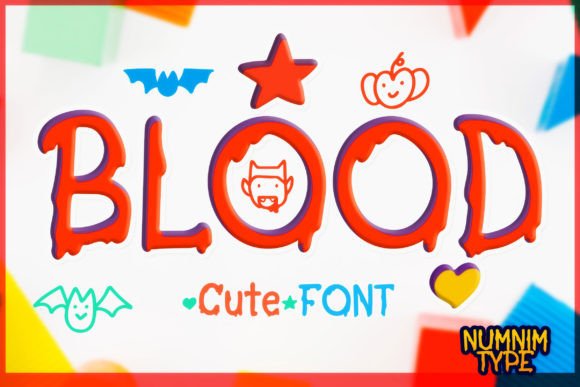
Blood is a charming and uniquely crafted handwritten font that brings a fun and playful touch to any design. Its distinctive, whimsical characters make it an ideal choice for adding a personal and creative flair to your editorial projects. Whether you're designing a lifestyle blog, a recipe ebook, or a digital magazine, Blood can help you create engaging and visually appealing content.
The Visual Charm of Blood
Blood's handwritten style is both casual and inviting, making it perfect for adding a human touch to your designs. The font's playful and bouncy characters give it a lively and energetic feel, which can help set the right tone for your content. This script font is not just about aesthetics; it also enhances the readability and visual appeal of your publications.
Perfect for Titles and Headings
One of the standout features of Blood is its suitability for titles and headings. Its bold and expressive nature makes it an excellent choice for blog headers, magazine covers, and ebook titles. When used in these prominent positions, Blood can capture the reader's attention and set the mood for the content that follows.
Enhancing Visual Hierarchy
Incorporating Blood into your editorial design can help establish a clear visual hierarchy. By using this display font for key elements like headlines and subheadings, you can guide the reader's eye and emphasize important information. For example, in a digital magazine, you might use Blood for the main article titles, while a clean sans serif font could be used for the body text.
Creating Engaging Quote Graphics
Blood's playful and expressive style makes it an excellent choice for creating quote graphics. Whether you're designing social media posts, lead magnets, or printable guides, Blood can add a unique and memorable touch to your quotes. The font's natural flow and character variations can make your quotes stand out and engage your audience more effectively.
Consistency and Brand Identity
Using Blood consistently across your editorial projects can help build a strong and recognizable brand identity. Whether you're designing a wedding guide, a coaching workbook, or a creator newsletter, incorporating Blood can help unify your content and create a cohesive look. This consistency can help your readers quickly identify and connect with your brand.
Practical Considerations for Readability
While Blood is a visually appealing and versatile font, it's important to consider its readability, especially for longer texts. For body copy and detailed content, it's advisable to pair Blood with a more readable serif font or a clean sans serif font. This combination ensures that your content remains accessible and easy to read, even in smaller sizes and on various devices.
Font Pairing for Editorial Use
To create a balanced and harmonious design, consider pairing Blood with complementary fonts. For instance, you might use Blood for the main titles and headings, and a clean sans serif font like Arial or Helvetica for the body text. Alternatively, a serif font like Garamond or Times New Roman can provide a classic and elegant contrast. Experiment with different combinations to find the one that best suits your project's tone and style.
Commercial Licensing and Usage
When using Blood for commercial projects such as ebooks, templates, printables, paid newsletters, and client publications, it's important to check the licensing terms. Ensure that you have the appropriate commercial license to use the font in your specific context. This will help you avoid any legal issues and ensure that you are using the font responsibly and ethically.
Conclusion
Blood is a versatile and visually appealing manual font that can add a unique and playful touch to your editorial designs. Whether you're working on a lifestyle blog, a recipe ebook, or a digital magazine, Blood can help you create engaging and memorable content. By carefully considering its use in titles, headings, and quote graphics, and by pairing it with complementary fonts, you can enhance the visual hierarchy and readability of your publications. With its charming personality and practical applications, Blood is a valuable addition to any designer's toolkit.